How Global Events Are Transforming Indian Ethnic Wear Trends in 2026
- Riyara
- May 1
- 3 min read
Global events in 2026 are reshaping many aspects of life, including how people dress. Indian ethnic wear, known for its rich heritage and intricate craftsmanship, is evolving under the influence of worldwide changes. Supply chain disruptions, shifting consumer values, and geopolitical tensions are quietly but powerfully altering fashion trends across India and beyond. This post explores how these global forces are transforming Indian ethnic wear today.

Supply Chain Challenges and Their Impact on Fabric Choices
The ongoing disruptions in global supply chains have affected the availability of raw materials used in Indian ethnic wear. Many designers and manufacturers face delays and increased costs for importing specialty fabrics like silk and zari threads. This has led to a noticeable shift toward locally sourced and sustainable materials.
Rise of indigenous fabrics: Cotton varieties such as khadi and handloom cotton are gaining popularity due to their accessibility and eco-friendly nature.
Experimentation with blends: Designers are mixing traditional fabrics with synthetic fibers to reduce costs and improve durability.
Focus on sustainability: Consumers increasingly prefer eco-conscious choices, encouraging brands to adopt organic dyes and natural fibers.
This shift not only supports local artisans but also aligns with a growing global emphasis on environmental responsibility.
Changing Consumer Priorities Shape Design and Style
Global conflicts and economic uncertainties have made consumers more thoughtful about their purchases. Indian ethnic wear buyers in 2026 prioritize versatility, comfort, and timelessness over fast-changing fashion trends.
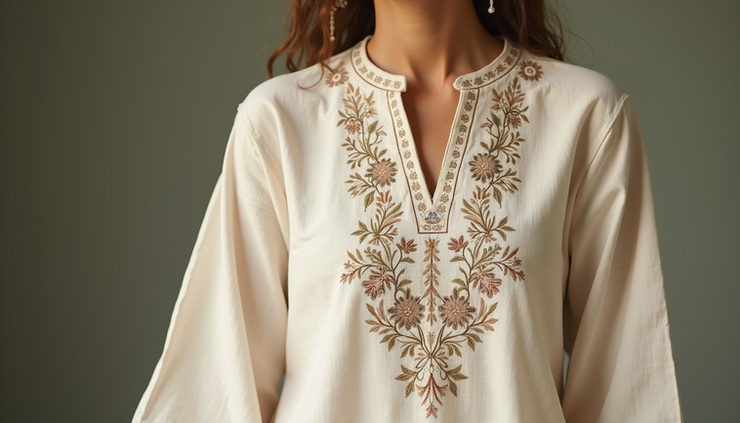
Simplified designs: Minimalist embroidery and subtle patterns are replacing heavily embellished garments.
Multi-purpose outfits: Clothes that can transition from casual to formal occasions are in demand.
Comfort-driven tailoring: Loose silhouettes and breathable fabrics are preferred, reflecting a lifestyle that values ease and practicality.
For example, the traditional lehenga choli is being reimagined with lighter fabrics and simpler cuts, making it suitable for everyday wear as well as celebrations.
Influence of Global Conflicts on Cultural Expression
Global conflicts have heightened awareness of cultural identity and heritage. Indian ethnic wear is becoming a medium for expressing resilience and pride in tradition.
Revival of regional crafts: Techniques like chikankari from Lucknow and bandhani from Gujarat are experiencing renewed interest.
Storytelling through fashion: Designers incorporate motifs and symbols that reflect historical narratives and social messages.
Support for artisan communities: Consumers are more willing to invest in handcrafted pieces that sustain traditional livelihoods.
This trend strengthens the connection between fashion and cultural roots, making ethnic wear a statement beyond aesthetics.
Technology and Innovation in Ethnic Wear Production
Despite challenges, technology is helping Indian ethnic wear adapt and thrive. Digital tools and modern manufacturing methods are enabling designers to innovate while preserving craftsmanship.
3D design and virtual fittings: These reduce waste and allow customers to customize outfits remotely.
Smart textiles: Fabrics with moisture-wicking and temperature-regulating properties are being integrated into traditional styles.
E-commerce growth: Online platforms expand access to ethnic wear globally, encouraging fusion styles that blend Indian and international influences.
These advancements make ethnic wear more accessible and appealing to younger, tech-savvy consumers.

What This Means for the Future of Indian Ethnic Wear
The combined effects of global events in 2026 are steering Indian ethnic wear toward a future that balances tradition with modern needs. Consumers and creators alike are embracing sustainability, comfort, and cultural storytelling. This evolution ensures that ethnic wear remains relevant and meaningful in a changing world.
For those interested in Indian fashion, this is an exciting time to explore new styles that honor heritage while adapting to global realities. Whether you are a buyer, designer, or enthusiast, staying informed about these trends can help you appreciate the deeper stories woven into every garment.


Comments