The Hidden Stories of Artisans Behind Indian Ethnic Wear: Craftsmanship that Endures
- Riyara
- May 1
- 3 min read
Every saree, lehenga, or kurti carries more than just fabric and thread. Behind each piece lies the dedication of skilled artisans who pour their time, patience, and heritage into creating garments that reflect India’s rich cultural legacy. In a world where fast fashion dominates, these craftsmen and craftswomen keep alive traditions that define the true beauty of Indian ethnic wear.

The Craftsmanship That Defines Indian Ethnic Wear
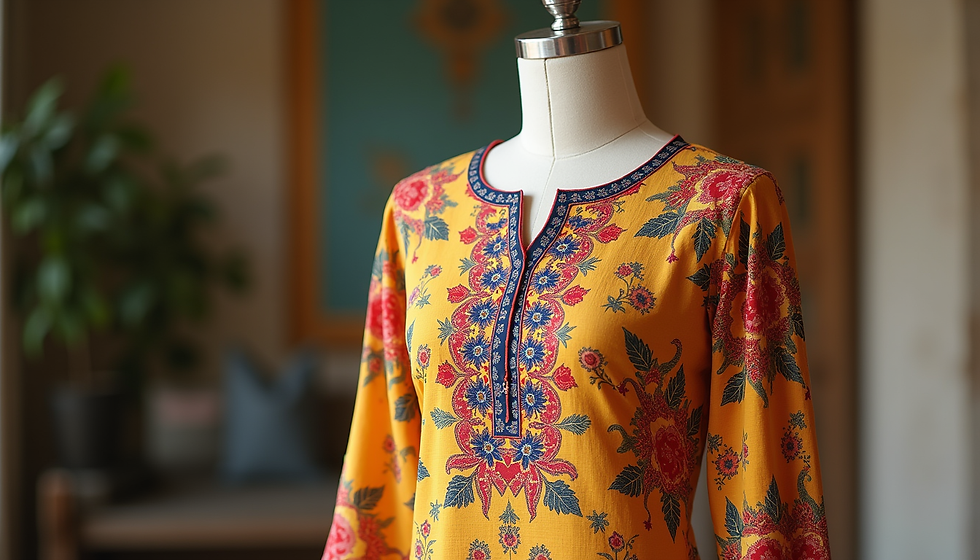
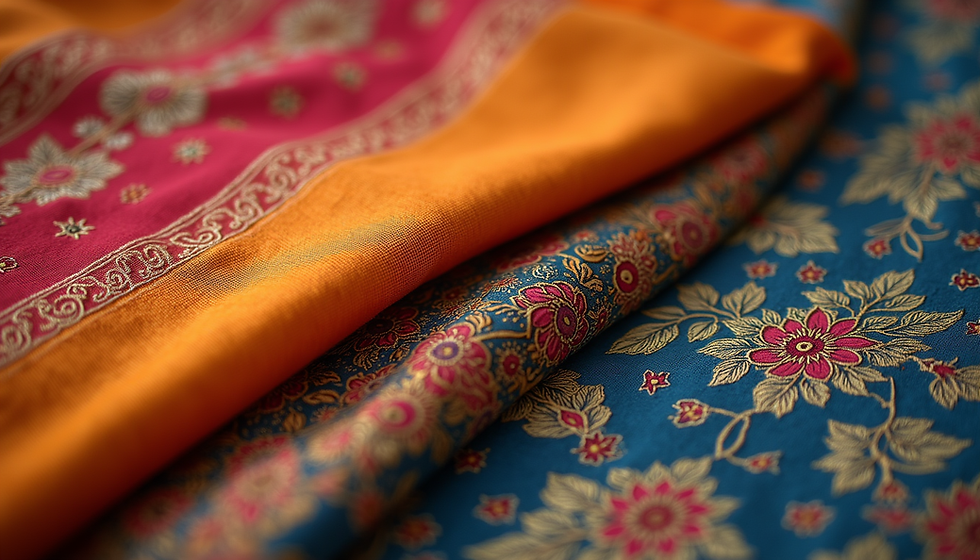
Indian ethnic clothing is renowned for its intricate designs, vibrant colors, and diverse styles. Each region in India has its own unique techniques and motifs, passed down through generations. For example:
Zardozi embroidery from Lucknow involves metallic threads and beads to create elaborate patterns.
Bandhani tie-dye from Gujarat and Rajasthan uses tiny knots to produce colorful dotted designs.
Kanjeevaram silk sarees from Tamil Nadu are known for their rich silk and gold zari borders.
Phulkari embroidery from Punjab features floral patterns stitched with bright threads on cotton fabric.
These techniques require hours, sometimes weeks, of meticulous handwork. The artisans’ skills are honed over years, often starting from childhood in family workshops. Their work is not just about making clothes; it is about preserving a cultural identity.
Challenges Faced by Artisans Today
Despite their talent, many artisans face significant challenges:
Competition from machine-made products reduces demand for hand-crafted items.
Lack of fair wages forces some artisans to abandon their craft for other jobs.
Limited access to markets means many artisans depend on middlemen who take a large share of profits.
Changing consumer preferences sometimes favor cheaper, mass-produced fashion over traditional wear.
These obstacles threaten the survival of many traditional crafts. Supporting artisans means valuing their work and understanding the effort behind each piece.
How Artisans Keep Traditions Alive
Artisans use several methods to sustain their craft:
Training younger generations within families ensures skills are passed on.
Collaborations with designers help blend traditional techniques with modern styles, appealing to new customers.
Participation in exhibitions and fairs provides direct access to buyers and raises awareness.
Use of social media and e-commerce platforms allows artisans to reach wider audiences without middlemen.
For example, the weavers of Varanasi have started working with contemporary designers to create sarees that appeal to younger buyers while maintaining traditional weaving methods.

Why Choosing Handcrafted Indian Ethnic Wear Matters
When you choose handcrafted ethnic wear, you support more than just fashion:
You support livelihoods of artisans and their families.
You help preserve cultural heritage that might otherwise disappear.
You get unique, high-quality garments that tell a story.
You encourage sustainable fashion by choosing slow, thoughtful production over mass manufacturing.
Each piece becomes a connection to the hands and hearts that created it, making your clothing meaningful beyond style.
How to Support Artisans When Buying Ethnic Wear
Here are practical tips to ensure your purchase benefits the artisans:
Buy directly from artisan cooperatives or trusted brands that work closely with craftspeople.
Ask about the techniques and origin of the garment to understand its story.
Avoid extremely cheap products that may be machine-made or exploit artisans.
Look for certifications or labels that guarantee fair trade or ethical production.
Share stories and knowledge about artisans to raise awareness among your community.
By making informed choices, you contribute to sustaining the craftsmanship that defines Indian ethnic wear.

Comments